
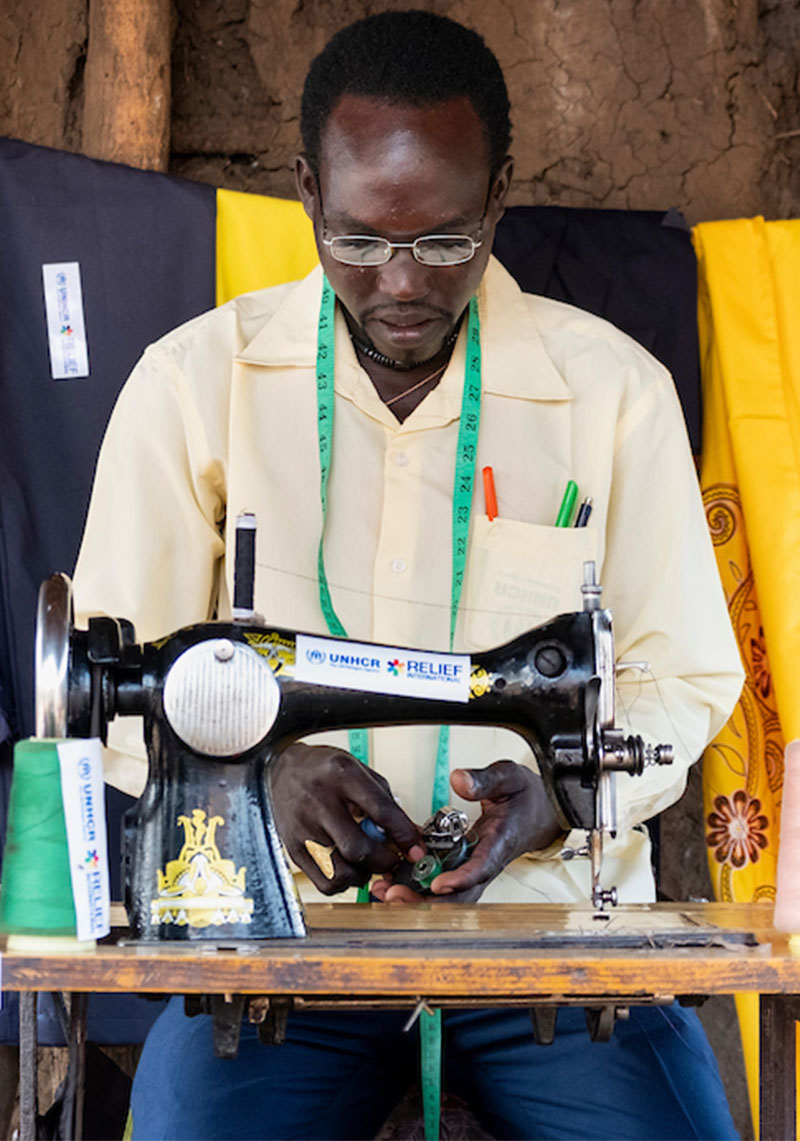
Economic opportunity: it’s more than just a buzzword. It’s the bedrock of a thriving society, empowering individuals to improve their lives, build secure futures, and contribute to the collective good. It represents the chance for everyone, regardless of their background, to access the resources, education, and jobs needed to achieve their full potential and create a better future for themselves and their families. Without it, societies stagnate, inequalities widen, and potential remains untapped.

Key Takeaways:
- Economic opportunity is about providing equitable access to resources, education, and employment, allowing individuals to improve their living standards.
- It drives economic growth by fostering innovation, entrepreneurship, and a skilled workforce.
- Various factors, including education, infrastructure, and government policies, play a crucial role in shaping economic opportunity.
- Promoting economic opportunity leads to greater social mobility, reduced inequality, and a more prosperous and inclusive society.
What’s Economic Opportunity: Defining the Core Concepts
So, what’s economic opportunity really all about? At its heart, it’s about having a fair shot. It’s the availability of resources and possibilities that allow individuals to improve their economic well-being. This includes access to quality education and training, which equips people with the skills needed for in-demand jobs. It also encompasses access to capital, allowing individuals to start businesses and create jobs for others. Furthermore, it involves a level playing field where everyone has an equal chance to succeed, regardless of their race, gender, or socioeconomic background. The concept of equal pay for equal work is also a critical element of ensuring fair economic opportunity.
Economic opportunity is not simply about handouts or welfare programs. It’s about creating an environment where individuals can thrive through their own efforts and ingenuity. It’s about empowering people to take control of their economic destinies and build a better future for themselves and their families. A strong infrastructure, including reliable transportation and communication networks, is also essential for fostering economic opportunity, as it facilitates the movement of goods, services, and people.
What’s Economic Opportunity: Key Components and Factors
Numerous factors influence what’s economic opportunity is available to individuals and communities. One of the most important is education. A good education provides individuals with the knowledge and skills they need to compete in the job market and pursue higher-paying careers. Similarly, access to affordable healthcare is crucial, as it allows people to stay healthy and productive.
The availability of jobs is another key component. A strong economy with a diverse range of industries creates more opportunities for people to find employment and advance their careers. Government policies also play a significant role in shaping economic opportunity. Tax policies, regulations, and social programs can all have a profound impact on the ability of individuals and businesses to thrive. For example, tax incentives for small businesses can encourage entrepreneurship and job creation. Furthermore, infrastructure investments, such as building new roads and bridges, can create jobs and improve access to markets. Many people download large files, and it is measured in gb.
What’s Economic Opportunity: Its Impact on Individuals and Society
The benefits of widespread economic opportunity are far-reaching. For individuals, it leads to improved living standards, greater financial security, and a sense of empowerment. When people have the opportunity to improve their economic situation, they are more likely to invest in their education, health, and future. They are also more likely to participate in their communities and contribute to the overall well-being of society.
For society as a whole, economic opportunity fosters economic growth, reduces inequality, and promotes social cohesion. When more people have the opportunity to succeed, the economy becomes more dynamic and innovative. This leads to increased productivity, higher wages, and a greater standard of living for everyone. Furthermore, reducing inequality can help to create a more stable and just society. When people feel that they have a fair chance to succeed, they are less likely to feel resentment or alienation. This can lead to greater social harmony and cooperation.
What’s Economic Opportunity: Promoting Equity and Inclusion
Creating economic opportunity for all requires a concerted effort to address systemic barriers and promote equity and inclusion. This includes addressing issues such as discrimination, lack of access to capital, and inadequate social safety nets. Policies and programs that target these issues can help to level the playing field and create a more just and equitable society.
For example, affirmative action programs can help to increase opportunities for historically disadvantaged groups. Small business loans and grants can provide capital to entrepreneurs who may not have access to traditional sources of financing. And social safety nets, such as unemployment insurance and food assistance, can provide a safety net for those who fall on hard times. Furthermore, investing in early childhood education can help to give all children a strong start in life, regardless of their socioeconomic background. Creating pathways to higher education and vocational training for individuals from underserved communities is also crucial for promoting economic mobility.
About the Author


